Introduction
In modern homes, the living space is no longer just a room for occasional use. It has become a central environment where relaxation, social interaction, work, and entertainment naturally blend together. At the heart of this space sits the sofa, a piece of furniture that defines both comfort and visual identity. A thoughtfully chosen sofa influences how a room feels, how it functions, and how people experience everyday moments at home.
As lifestyles evolve, expectations around furniture have shifted. Homeowners now seek sofas that offer long-lasting comfort while maintaining a refined, contemporary appearance. A modern sofa must feel inviting from the first moment, support the body throughout extended use, and visually align with the surrounding interior. This balance between comfort and style is what defines truly successful sofa design for modern living spaces.
The Importance of Sofas in Contemporary Living Spaces
In today’s interiors, the living space often serves multiple roles throughout the day. It may function as a place to unwind after work, host guests in the evening, or enjoy quiet moments with family. The sofa supports all of these activities, making it one of the most frequently used pieces of furniture in the home.
A well-designed sofa contributes to spatial harmony. Its shape, size, and placement influence movement, interaction, and visual balance within the room. Modern living spaces favor openness and flow, which means sofas must complement the layout rather than dominate it. Clean silhouettes and balanced proportions allow the sofa to integrate naturally, enhancing both function and atmosphere.
Beyond practicality, sofas also express personal style. They reflect preferences for simplicity, warmth, elegance, or bold character. In modern interiors, the sofa often becomes the anchor around which other design elements are arranged, setting the tone for the entire space.
Comfort as a Core Design Principle
Comfort is the foundation of any successful sofa, yet modern comfort extends beyond softness alone. True comfort is achieved through a combination of ergonomic support, high-quality materials, and thoughtful construction. A sofa that looks appealing but lacks proper support quickly becomes impractical for everyday use.
Modern sofas are designed with attention to posture and body alignment. Seat depth, cushion firmness, and backrest angles are carefully considered to provide support while allowing relaxation. This ensures that users can sit upright, lounge casually, or recline comfortably without strain.
Material choice also affects comfort. Breathable upholstery helps regulate temperature, while smooth textures enhance the tactile experience. High-resilience cushioning maintains its shape over time, ensuring consistent comfort even after years of regular use.
Style and Aesthetics in Modern Sofa Design
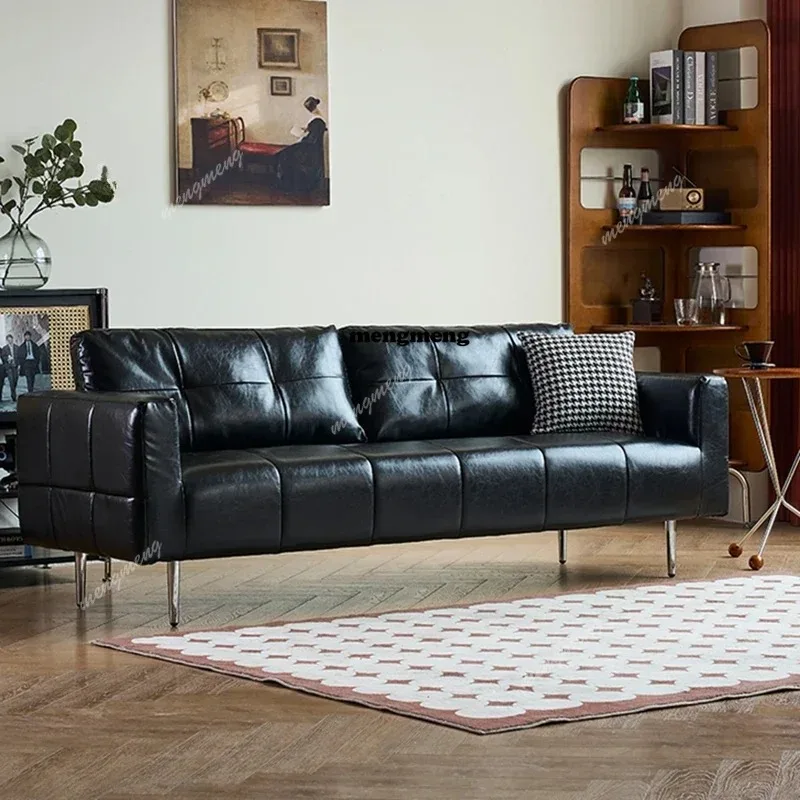
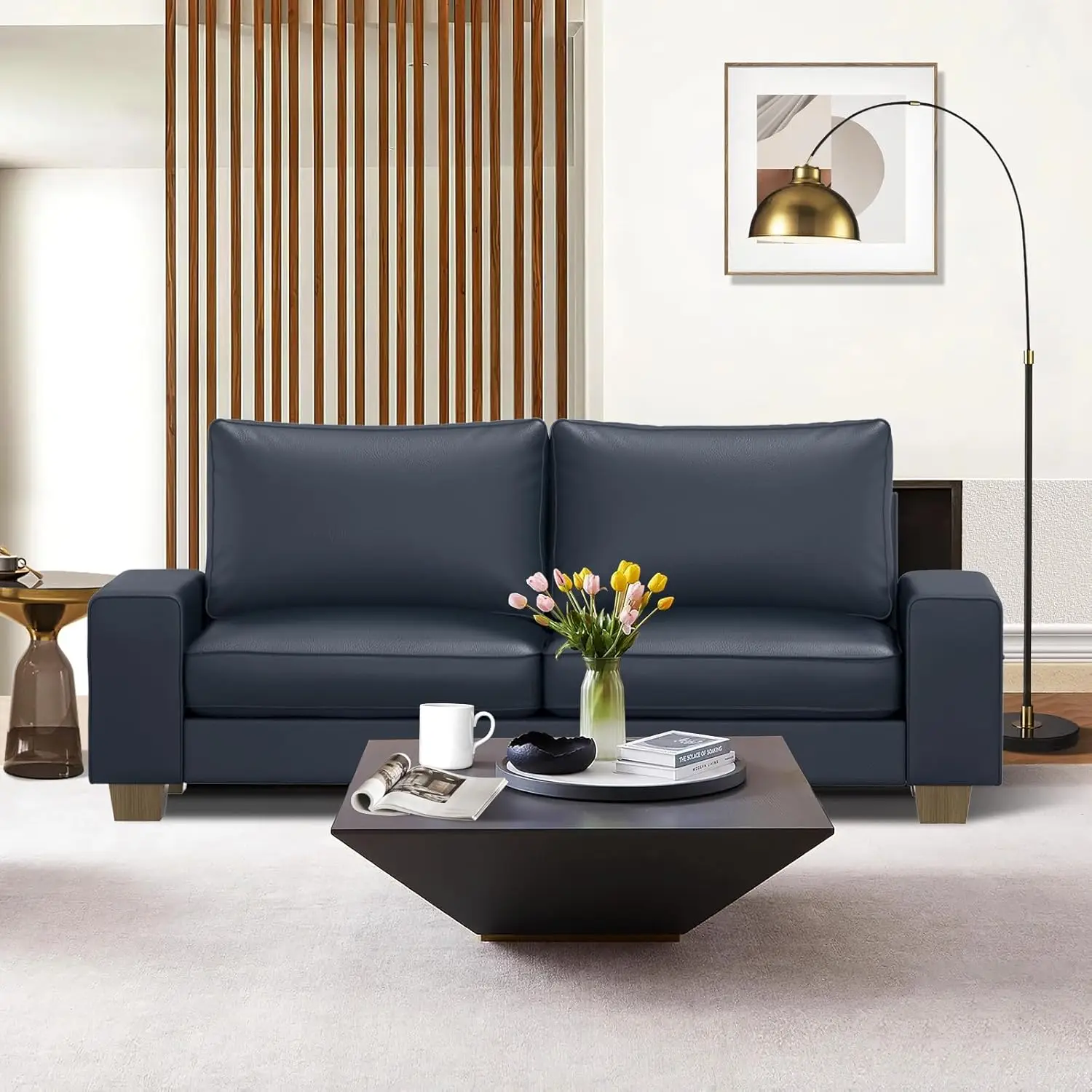
Visual appeal plays an equally important role in modern sofa selection. Contemporary interiors often emphasize simplicity, balance, and intentional design. Sofas designed for modern living spaces reflect these values through clean lines, subtle detailing, and refined proportions.
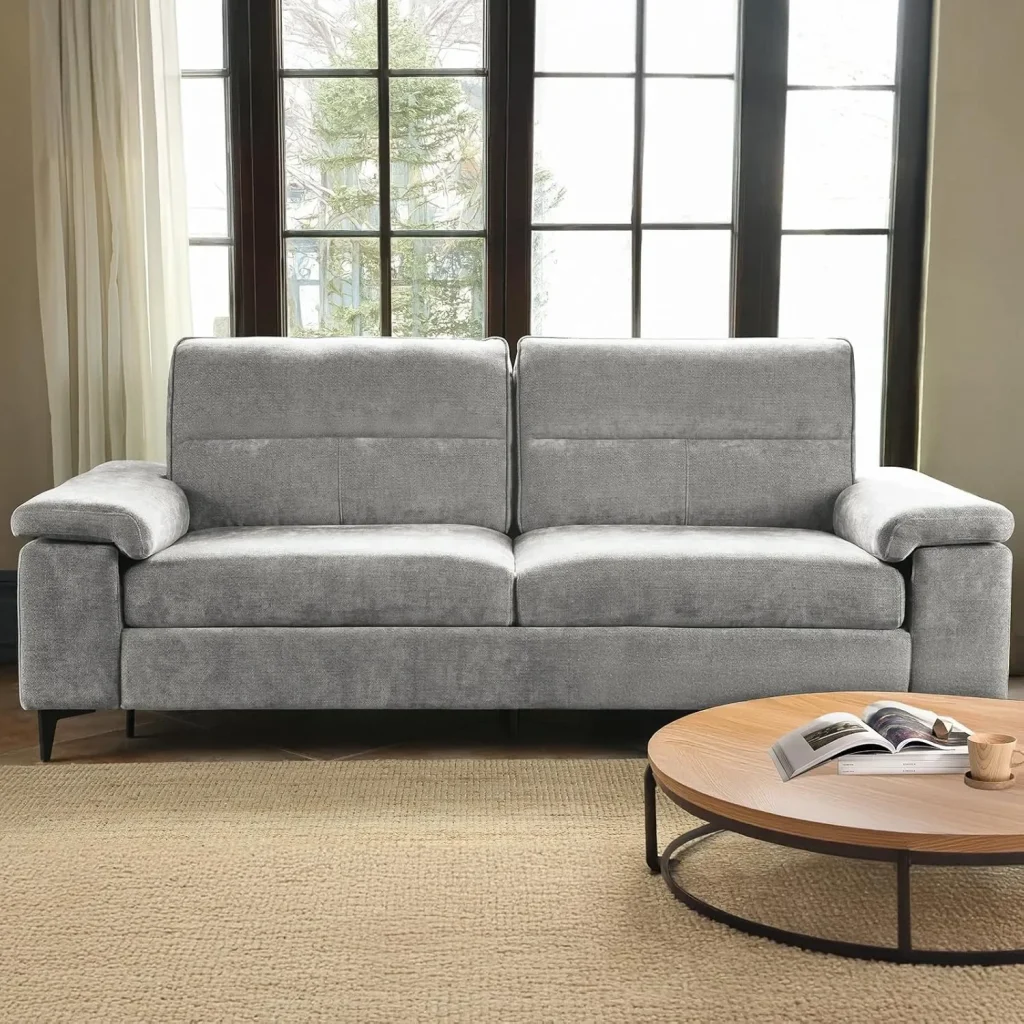
Neutral color palettes remain a popular choice, offering versatility and timeless appeal. Shades such as beige, gray, cream, and soft earth tones create a calm foundation that adapts easily to changing decor. At the same time, modern sofas are increasingly available in richer hues and textured fabrics, allowing homeowners to create visual interest without overwhelming the space.
Design elements such as slim legs, low-profile frames, and tailored seams contribute to a sophisticated look. These details enhance visual lightness, making the sofa suitable for open-plan living areas and compact spaces alike.
Material Quality and Long-Term Durability
Durability is a key consideration when choosing a sofa for everyday living. Modern consumers expect furniture to maintain both comfort and appearance over time, even with frequent use. High-quality materials play a critical role in meeting these expectations.
Strong internal frames provide structural stability and prevent sagging. Carefully selected cushioning materials offer resilience and consistent support. Upholstery fabrics are chosen for their ability to withstand wear while remaining soft and inviting.
Performance textiles have become increasingly popular in modern living spaces, offering resistance to stains and fading without sacrificing comfort. Natural fabrics continue to appeal for their breathability and texture, while blended materials combine durability with ease of maintenance.
Adapting Sofas to Different Living Space Sizes
Modern living spaces vary widely in size and layout, requiring sofas that adapt to different environments. In smaller homes or apartments, streamlined designs help maximize seating without overwhelming the room. Compact sofas with refined proportions maintain comfort while preserving visual openness.
In larger living areas, sofas can help define zones and create structure. Sectional designs and modular configurations allow flexibility, enabling homeowners to adjust layouts as needs change. These adaptable solutions support evolving lifestyles and multifunctional spaces.
Scale and proportion remain essential. A sofa that fits the dimensions of the room enhances comfort, circulation, and overall harmony, regardless of space size.
Sofas as a Reflection of Lifestyle
A sofa is more than a functional object; it reflects how people live and interact within their homes. Some households prioritize relaxed lounging, while others value structured seating for conversation or entertainment. Modern sofa design acknowledges these differences by offering a range of forms and features.
Deep seating and plush cushions support leisurely moments, while firmer structures provide upright comfort for social gatherings. Thoughtful design allows a single sofa to accommodate various activities throughout the day, adapting naturally to changing needs.
This versatility makes the sofa an essential component of modern living, supporting both comfort and connection.
Balancing Trends with Timeless Appeal
While design trends influence contemporary sofas, lasting appeal remains a priority. Modern living spaces benefit from furniture that feels current without becoming quickly outdated. Timeless design elements ensure that a sofa remains relevant as styles evolve.
Subtle detailing, balanced proportions, and neutral foundations allow sofas to adapt to changing decor. Accessories such as cushions and throws can refresh the look without requiring major changes. This approach supports sustainable design choices and long-term satisfaction.
Conclusion
Comfortable and stylish sofas play a vital role in shaping modern living spaces. They support daily activities, enhance visual harmony, and contribute to a sense of well-being at home. By balancing comfort, durability, and refined design, modern sofas meet the demands of contemporary lifestyles.
Choosing the right sofa involves understanding how comfort and style work together to support everyday living. With thoughtful material selection, ergonomic design, and timeless aesthetics, a well-crafted sofa becomes more than furniture. It becomes an essential part of a modern home, offering lasting comfort and enduring style for years to come.